Is Your Dry Nose Causing Nosebleeds?
This is a subtitle for your new post
If you’ve been waking up with blood on your pillow, noticing frequent nosebleeds during winter, or feeling constant dryness inside your nose, your dry nasal passages may be the real culprit.
Nosebleeds are surprisingly common, especially in dry climates, during colder months, or in homes with indoor heating running around the clock. While most nosebleeds are harmless, recurring bleeding can be uncomfortable, frustrating, and sometimes alarming.
The good news: in many cases, dry nose-related nosebleeds are preventable.
Why Does a Dry Nose Cause Nosebleeds?
Inside your nose is a delicate lining filled with tiny blood vessels located very close to the surface. These blood vessels help warm and humidify the air you breathe.
When your nasal passages become too dry, the tissue can crack or become irritated, blood vessels may become exposed, and even minor irritation can trigger bleeding.
Even something as simple as blowing your nose, sneezing, or lightly rubbing it can cause a nosebleed when the lining is dry and fragile. This is especially common in the front part of the nose, where most nosebleeds originate.
Signs Your Nosebleeds Are Caused by Dryness
Dry nose-related nosebleeds are often accompanied by symptoms like crusting inside the nose, burning or stinging sensations, itching, dry mucus, scabbing, mild discomfort when breathing, and nosebleeds that occur more often during winter or overnight.
If these symptoms sound familiar, dryness is likely contributing to the problem.
How to Prevent Dry Nose Nosebleeds
The key to preventing dry nose nosebleeds is restoring moisture and protecting the delicate lining inside the nose. Small daily habits can make a significant difference over time.
Use a Humidifier
One of the most effective ways to do this is by using a humidifier. Adding moisture back into the air can significantly reduce nasal dryness, especially during winter months, in dry climates, or while sleeping overnight. Ideally, indoor humidity levels should stay between 30% and 50%.
Apply Saline Nasal Spray
Saline nasal spray can also help keep the nasal passages hydrated without the use of medication. Unlike decongestant sprays, saline sprays are non-addictive, safe to use multiple times a day, and effective at loosening crusting and irritation. Regular use can help prevent the cracking and bleeding that often occur when the nose becomes too dry.
Keep the Nasal Lining Moisturized
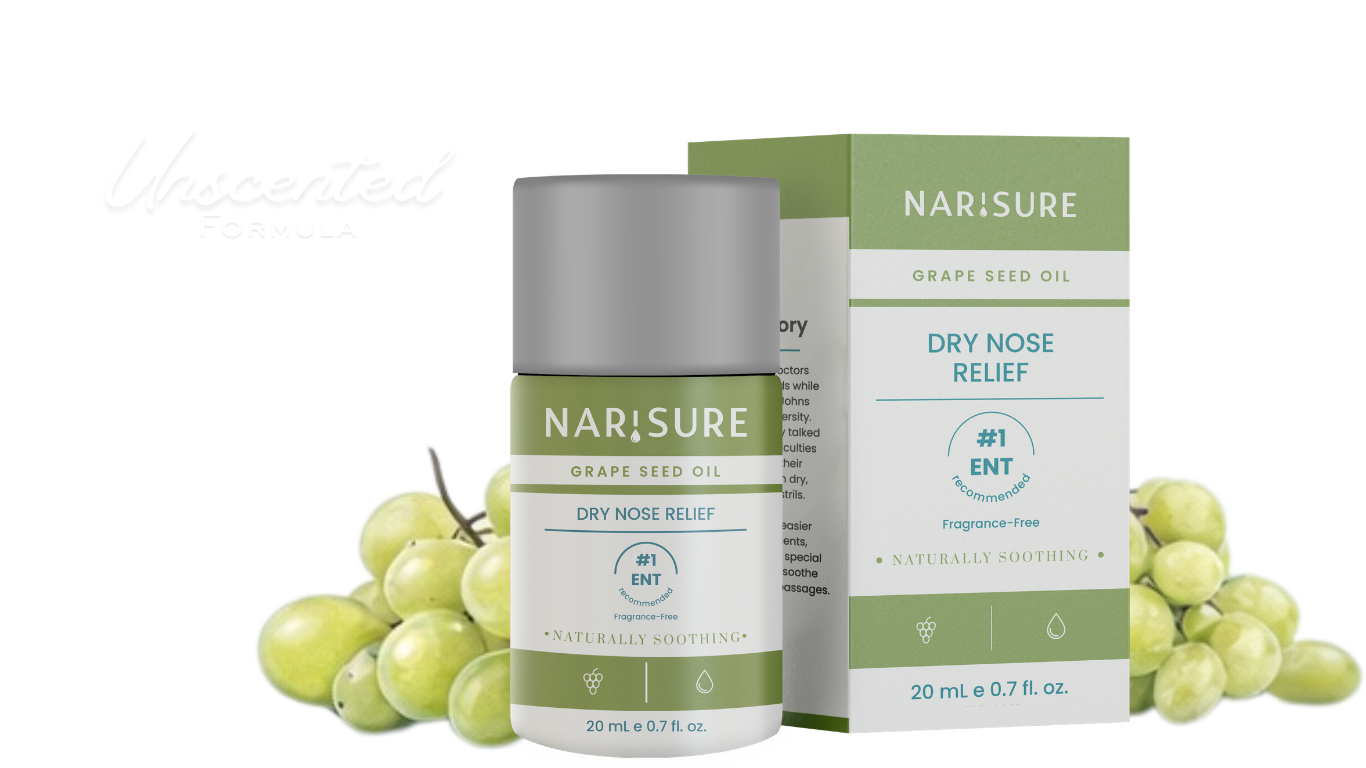
Keeping the inside of the nose moisturized is another important step. Applying a small amount of nasal moisturizer gently inside the nostrils can help protect sensitive tissue from drying out. For effective, long-lasting relief, Narisure Dry Nose Relief is specially formulated to soothe, hydrate, and protect dry nasal passages without causing additional irritation.
If using a cotton swab, be careful not to insert it too deeply into the nose.
Stay Hydrated
Staying hydrated also plays an important role in maintaining moisture throughout the body, including the nasal passages. If you notice dry lips, dry skin, or a scratchy throat along with nasal dryness, dehydration may be contributing to the problem.
Avoid Overusing Nasal Sprays
It’s also important to avoid overusing decongestant nasal sprays. While they may provide short-term relief, using them too often can actually worsen dryness and irritation over time. Unless directed by a healthcare provider, these sprays should only be used for short periods.
Be Gentle with Your Nose
When your nose is dry, it’s important to treat it gently to avoid triggering additional bleeding. Blow your nose softly, avoid picking at the inside of the nose, and try not to rub it excessively. Even small amounts of irritation can reopen delicate blood vessels that are trying to heal.
Final Thoughts
A dry nose is one of the most common and overlooked causes of nosebleeds. Fortunately, restoring moisture to your nasal passages can often reduce or eliminate recurring bleeding.
If your nosebleeds seem tied to weather changes, indoor heating, allergies, or dryness symptoms, addressing the underlying dryness may provide lasting relief.
Disclaimer:
This article is for informational purposes only and is not intended as medical advice. If you experience severe, frequent, or persistent nosebleeds, consult an ENT professional.